About Hdpe Pipes And Fittings
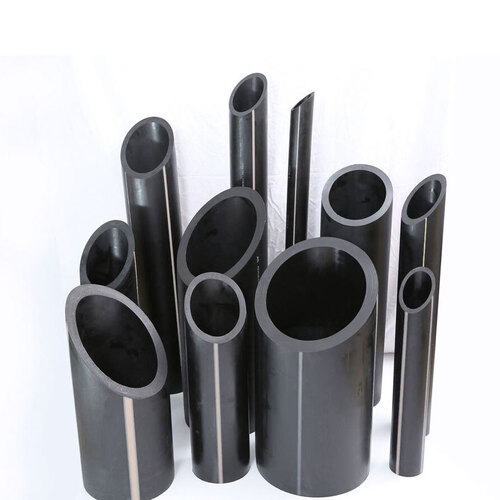
HDPE HighDensity Polyethylene pipes and fittings are widely used in various industries and applications due to their durability flexibility and resistance to corrosion and chemicals Heres an overview of HDPE pipes and fittings
HDPE Pipes
1 Material HDPE pipes are made from highdensity polyethylene a thermoplastic polymer known for its high strengthtodensity ratio and resistance to many solvents
2 Applications
Water Supply HDPE pipes are commonly used for water distribution and transmission due to their noncorrosive properties and smooth interior surface that reduces friction losses
Gas Distribution They are also used for natural gas distribution because of their resistance to chemicals and ability to withstand highpressure applications
Mining In mining operations HDPE pipes are used for transporting acids slurries and abrasive materials due to their toughness and resistance to wear
3 Advantages
Durability HDPE pipes have a long service life often exceeding 50 years and are resistant to abrasion and environmental stress cracking
Flexibility They are flexible and can withstand stress from soil movement or external loads without breaking
Lightweight HDPE pipes are lighter than traditional materials like steel or concrete making them easier to transport handle and install
Chemical Resistance They resist corrosion and chemical attack from acids alkalis and other harsh substances
4 Installation HDPE pipes can be joined using heat fusion techniques butt fusion or electrofusion creating strong and leakproof joints that maintain the integrity of the pipeline
HDPE Fittings
1 Types HDPE fittings include couplings elbows tees reducers flanges and other specialized fittings that allow for the connection and direction change of HDPE pipes
2 Features
Compatibility Fittings are designed to match the outer diameter of HDPE pipes and provide secure connections
Durability Like HDPE pipes fittings are resistant to corrosion chemicals and environmental stresses
Jointing Methods Fittings can be joined to HDPE pipes using heat fusion techniques or mechanical methods such as compression fittings
3 Applications HDPE fittings are used in conjunction with HDPE pipes across various industries for water distribution gas transmission industrial processes mining and agriculture
Environmental Considerations
HDPE pipes and fittings are considered environmentally friendly because they are recyclable and can be manufactured using recycled materials
Proper disposal and recycling practices ensure minimal environmental impact
In conclusion HDPE pipes and fittings are versatile durable and widely used in diverse applications where reliability and longevity are crucial Their ability to withstand harsh environments chemicals and physical stress makes them a preferred choice in industries ranging from municipal water supply to industrial processes
High Performance for Outdoor and Underground ApplicationsHDPE pipes and fittings with excellent UV and corrosion resistance allow for reliable function in both outdoor and buried installations. Their robust impact strength and flexibility protect against breakage and make them suited for a variety of environmental stresses.
Superior Flow and Long-Term ServiceThe hydraulic smoothness of HDPE pipes reduces friction, resulting in efficient fluid transmission. Their high elongation at break and self-extinguishing properties further enhance safety and reliability. These pipes maintain performance over decades, offering a remarkable life expectancy of 50 years under normal usage.
Simple Installation, Versatile ConnectionsThanks to lightweight construction and multiple jointing methods-including butt fusion, electrofusion, and mechanical joints-transportation and installation are straightforward. HDPE pipes support a range of connection types and fittings, adapting easily to project demands.
FAQ's of Hdpe Pipes And Fittings:
Q: How are HDPE pipes and fittings joined during installation?
A: HDPE pipes and fittings can be connected using butt fusion, electrofusion, or mechanical jointing methods. Each technique provides a leak-proof, durable connection and is selected based on project size, application demand, and pipe dimensions.
Q: What benefits does UV resistance provide for outdoor use of HDPE pipes?
A: The excellent UV resistance of HDPE pipes ensures they remain structurally sound when exposed to sunlight, preventing degradation and extending service life when used in outdoor installations like water supply or irrigation systems.
Q: Where can HDPE pipes and fittings be used?
A: These pipes are versatile and suitable for a range of applications such as agriculture, industrial, potable water supply, gas distribution, sewage, and irrigation projects. Their corrosion resistance and durability make them ideal for both above ground and underground setups.
Q: What makes HDPE pipes safe for potable water?
A: HDPE pipes are non-toxic, do not leach harmful chemicals, and are manufactured to strict standards (like IS 4984:2016, ISO 4427-2), ensuring water purity and safety throughout their service life.
Q: How does the burst pressure ensure reliability in HDPE pipes?
A: With a burst pressure minimum of 2.5 times the rated pressure, HDPE pipes provide an enhanced safety margin against sudden pressure surges, making them a dependable choice for high-stress environments.
Q: What is the typical lifespan of HDPE pipes under normal conditions?
A: HDPE pipes are engineered for durability and can maintain their integrity and performance for at least 50 years under typical operating environments, minimizing replacement costs and disruptions.
Q: What installation processes and standards do HDPE pipes comply with?
A: HDPE pipes are manufactured using extrusion (pipes) and injection molding (fittings) and conform to standards such as IS 14333, IS 4984:2016, ISO 4427-2, and DIN 8074/75, ensuring quality and reliability in every application.





 Send Inquiry



 Send Inquiry
 Send Inquiry
 Send SMS


 English
 Spanish
 French
 German
 Italian
 Chinese (Simplified)
 Japanese
 Korean
 Arabic
 Portuguese